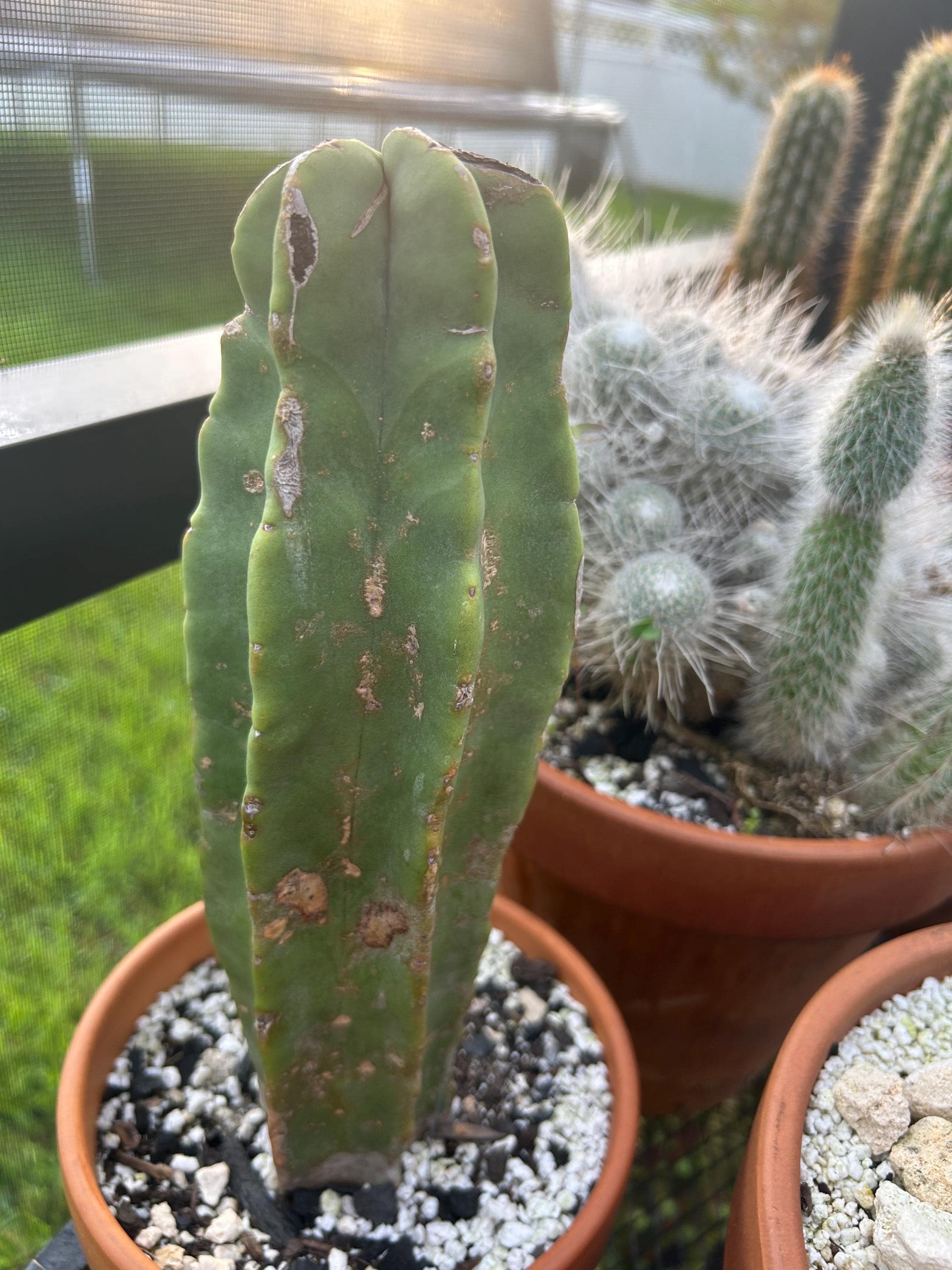
Photo 1 of 5 from the current Etsy listing
Help your plant settle into its new home 🌿
Our Plant Assistant combines our growing notes with your location and home conditions to prepare a question for Gemini, Duck.ai, or your preferred AI assistant.
Open our Plant Assistant →Totem Pole Cactus
Also known as: Totem Pole Cactus, Monstrose Cactus
Description
Rehab Totem Pole Cactus — Exact Plant Shown
This listing is for the exact rooted Totem Pole Cactus pictured. This is being sold as a rehab plant because it has extensive permanent cosmetic scarring, surface damage, and marks throughout the cactus, including damage near the top.
Please carefully review every photo before purchasing. The cactus is not cosmetically perfect and will arrive with all visible scars and blemishes shown.
Plant details
* Lophocereus schottii monstrose * Rooted and established * Exact plant shown * Extensive cosmetic scarring and surface damage * Sold as a rehab or project cactus * New growth may eventually improve its overall appearance, but existing scars will remain permanent
The cactus is currently firm and rooted at the time of listing. However, because this is a rehab plant, it is best suited for an experienced cactus grower who understands how to monitor damaged or stressed plants.
This plant is priced according to its current cosmetic condition. It is not being represented as a flawless or collector-grade specimen.
LIGHT:
Full, direct sunlight to bright indirect light. This desert cactus loves intense light and thrives in outdoor Florida sunshine. • Grow Light Variables: Provide high intensity at 1,000 to 2,000+ foot-candles at the top of the cactus canopy. Run the lights for a duration of 12 to 14 hours per day.
SOIL:
An exceptionally gritty, fast-draining substrate.
TEMPERATURE:
Thrives in high temperatures between 70°F and 90°F+. It easily handles Orlando's blistering summer heat. However, it is frost-tender; you must bring it indoors or shelter it if winter overnight temperatures drop below 40°F.
HUMIDITY:
Prefers low humidity (30% to 50%). Because Orlando is exceptionally humid, keeping it outdoors during rainy summer months can easily lead to fungal rot. It is highly recommended to keep this cactus in a terracotta pot under a covered patio or indoors under grow lights to shield it from Orlando's heavy tropical humidity and seasonal downpours.
CONTINUED CARE
* Provide bright light, gradually acclimating it to stronger direct sun * Protect from prolonged rain and excess humidity * Use a very fast-draining cactus mix * Water only after the soil has dried completely * Avoid allowing water to remain around the base or damaged areas
SHIPPING:
This cactus ships bare root without the pot or soil. The roots and cactus will be carefully wrapped and packaged to help protect them during transit. Existing scars and blemishes shown in the photos are permanent and are not shipping damage.
Please open and inspect the package immediately upon arrival. Contact me within 24 hours with clear photos if there is a shipping-related concern.
By purchasing, you acknowledge that this is a visibly scarred rehab cactus and that you have reviewed the current photos of the exact plant.
Help your plant settle into its new home 🌿
Our Plant Assistant combines our growing notes with your location and home conditions to prepare a question for Gemini, Duck.ai, or your preferred AI assistant.
Open our Plant Assistant →About Our Growing Notes
Our growing notes describe what we did in our own environment. Your light, temperature, humidity, potting mix and growing location may differ. Use your plant’s actual conditions when considering watering or acclimation. Suggestions from outside assistants are separate from our recorded experience.
Basic tools you may find useful include:
- Hygrometer and thermometer: monitor humidity and temperature near the plant, including changes around windows.
- Soil-checking probe: a clean wooden skewer, blunt knitting needle or similar tool can help you check the potting mix gently. Avoid forcing it through roots. A wooden skewer can also show damp mix or moisture on the wood; a metal needle does not absorb moisture. Combine these observations with the pot’s weight, drainage and the plant’s needs rather than treating a probe as an automatic watering signal.
- Light meter that measures foot-candles: compare light at the plant’s position at different times of day.
- Gloves appropriate for the plant and task: useful when handling potting materials or plants with spines or irritating sap.
This is a starter list, not an exhaustive list or a requirement to buy every tool. Equipment helps you observe conditions; it does not replace plant-specific guidance.
UF/IFAS: measuring light · Iowa State Extension: growing conditions and watering