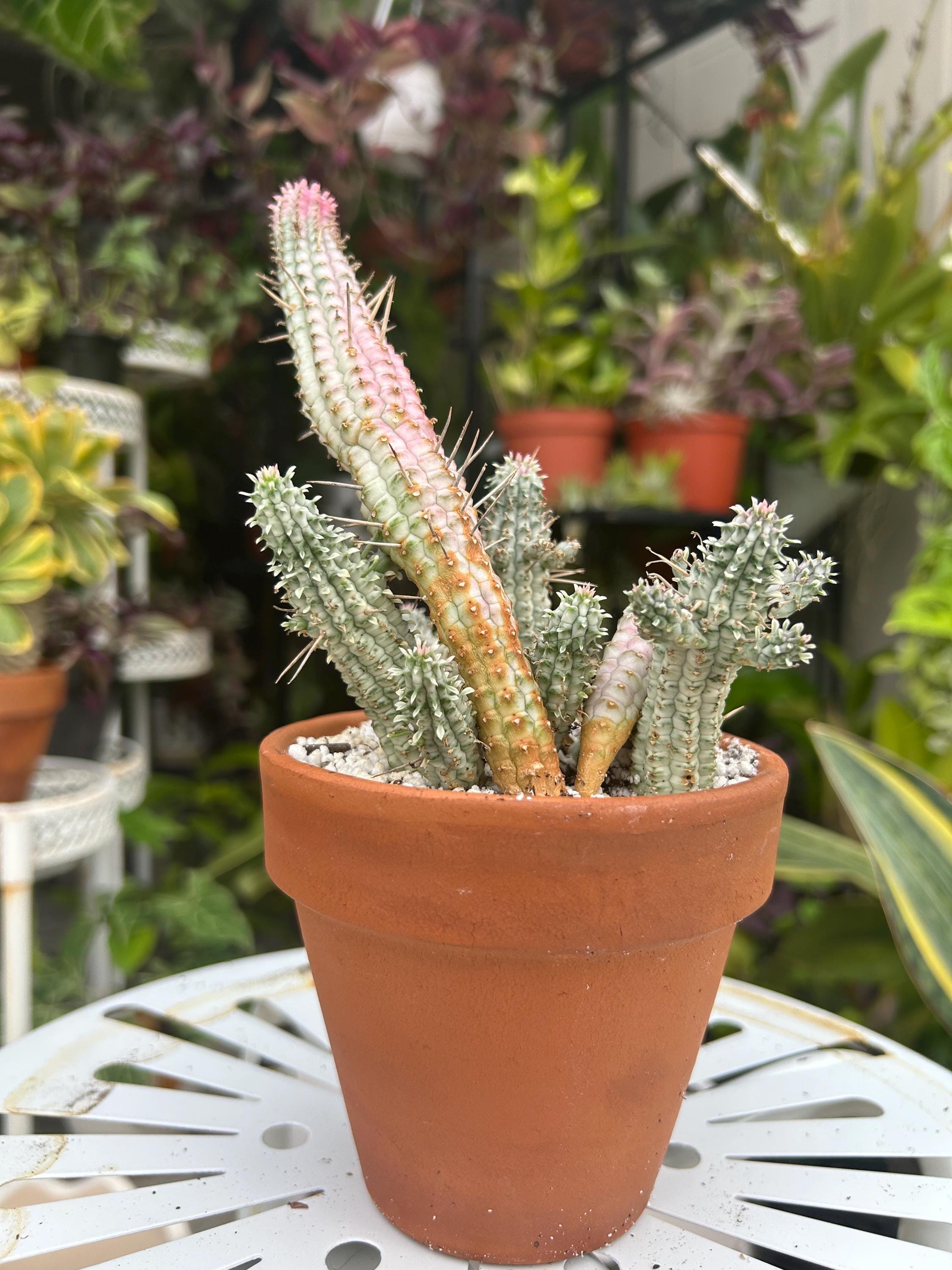
Photo 1 of 4 from the current Etsy listing
Help your plant settle into its new home 🌿
Our Plant Assistant combines our growing notes with your location and home conditions to prepare a question for Gemini, Duck.ai, or your preferred AI assistant.
Open our Plant Assistant →Variegated Corn Cob Euphorbia
Also known as: Variegated Corn Cob Euphorbia, Variegated Corn Cob Cactus, Indian Corn Cob
Description
You will receive the exact Variegated Corn Cob Euphorbia pictured.
This is an exceptionally full, established specimen growing in an approximately 4-inch pot. It features numerous clustered stems, branching growth, soft blue-green and cream variegation, and attractive pink coloring along the newest growth.
Unlike the smaller starter plants commonly available, this specimen has a substantial multi-stem base and one prominent mature central stem that gives the plant a dramatic, sculptural appearance.
PLANT DETAILS:
* Exact plant pictured * Approximately 4-inch nursery-pot size * Dense, established multi-stem cluster * Numerous branches and active growth points * Blue-green, cream and pink coloration * Mature central stem with strong visual impact * Fully rooted and actively growing * Botanical name: Euphorbia mammillaris ‘Variegata’ * Common names: Variegated Corn Cob Euphorbia and Indian Corn Cob * Terracotta pot is not included * Ships bare-root with the roots carefully protected
Please note that although this plant is commonly called a Corn Cob Cactus, it is technically a Euphorbia, not a true cactus.
NATURAL CONDITION:
This is a mature living plant and has natural cosmetic imperfections. The tallest stem has visible mature corking and discoloration near its lower section, as clearly shown in the photographs. The affected area is firm and dry rather than soft or actively deteriorating.
Some stems may also have minor marks, dried flower structures, old spine loss or uneven coloration associated with normal outdoor growth. Please review every photograph carefully because they are part of the plant’s condition description.
The pink coloring may become stronger or lighter depending on light exposure, temperature and seasonal conditions.
SHIPPING:
This plant will be shipped bare-root to reduce the risk of the pot or loose soil damaging the stems during transit. The root system and stems will be carefully wrapped and cushioned.
Because Euphorbia stems and branches can be brittle, minor soil residue, slight spine loss or small cosmetic marks may occur during shipping despite careful packaging.
Please use caution when handling. Euphorbia produces a white latex sap when damaged that can irritate the skin and eyes. Keep the plant away from children and pets, wear gloves when handling damaged tissue and wash exposed skin promptly.
AFTER ARRIVAL:
Pot the plant into a fast-draining cactus and succulent mixture in a container with drainage.
AFTER POTTING:
* Keep it dry for approximately 5–7 days before watering. * Place it in bright indirect light while it adjusts. * Gradually acclimate it to stronger light. * Avoid intense afternoon sun immediately after shipping. * Water thoroughly only after the potting mixture has dried completely.
COLD WEATHER PROTECTION:
Strongly recommended when temperatures are near or below freezing. Buyers are responsible for monitoring their local weather and purchasing available temperature protection when appropriate.
Because this is the exact plant pictured, only one is available.
Help your plant settle into its new home 🌿
Our Plant Assistant combines our growing notes with your location and home conditions to prepare a question for Gemini, Duck.ai, or your preferred AI assistant.
Open our Plant Assistant →About Our Growing Notes
Our growing notes describe what we did in our own environment. Your light, temperature, humidity, potting mix and growing location may differ. Use your plant’s actual conditions when considering watering or acclimation. Suggestions from outside assistants are separate from our recorded experience.
Basic tools you may find useful include:
- Hygrometer and thermometer: monitor humidity and temperature near the plant, including changes around windows.
- Soil-checking probe: a clean wooden skewer, blunt knitting needle or similar tool can help you check the potting mix gently. Avoid forcing it through roots. A wooden skewer can also show damp mix or moisture on the wood; a metal needle does not absorb moisture. Combine these observations with the pot’s weight, drainage and the plant’s needs rather than treating a probe as an automatic watering signal.
- Light meter that measures foot-candles: compare light at the plant’s position at different times of day.
- Gloves appropriate for the plant and task: useful when handling potting materials or plants with spines or irritating sap.
This is a starter list, not an exhaustive list or a requirement to buy every tool. Equipment helps you observe conditions; it does not replace plant-specific guidance.
UF/IFAS: measuring light · Iowa State Extension: growing conditions and watering