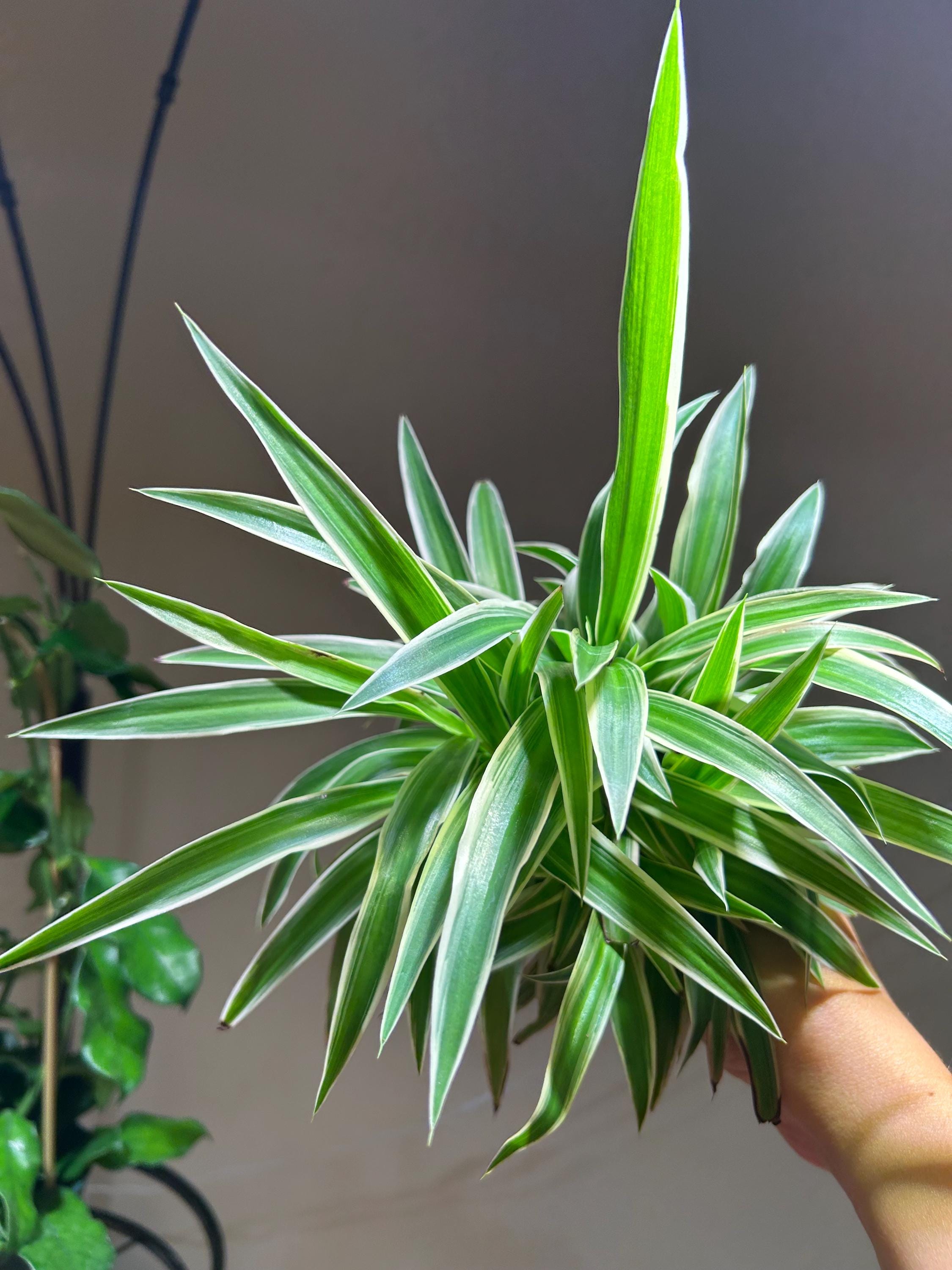
Photo 1 of 10 from the current Etsy listing
Help your plant settle into its new home 🌿
Our Plant Assistant combines our growing notes with your location and home conditions to prepare a question for Gemini, Duck.ai, or your preferred AI assistant.
Open our Plant Assistant →Ocean Spider Plant
Also known as: Spider plant
Description
The Ocean Spider Plant is loved for its graceful, arching leaves with green centers and creamy margins. Its bright, striped foliage adds a fresh touch to a shelf or hanging planter.
HOW WE DID IT
We grew this plant in our warm, humid Orlando greenhouse, where most areas receive bright, indirect sunlight.
LIGHT:
We grew it in bright, indirect light. The leaf colors may vary with growing conditions.
WATER:
We allowed the growing medium to begin drying slightly between waterings, while avoiding letting it stay soggy.
SOIL:
We used a well-draining growing medium to help prevent excess moisture around the roots.
TEMPERATURE/HUMIDITY:
We grew it in the warm, humid conditions of our greenhouse.
SHIPPING:
We prepare each plant for shipment with care. Please refer to the listing for the shipping format and included items.
UNPACKING SUGGESTION:
After delivery, unpack your plant and place it in bright, indirect light. Check the growing medium and water if it has begun to dry. If your plant arrives in its nursery pot, allow it time to acclimate before repotting.
Help your plant settle into its new home 🌿
Our Plant Assistant combines our growing notes with your location and home conditions to prepare a question for Gemini, Duck.ai, or your preferred AI assistant.
Open our Plant Assistant →About Our Growing Notes
Our growing notes describe what we did in our own environment. Your light, temperature, humidity, potting mix and growing location may differ. Use your plant’s actual conditions when considering watering or acclimation. Suggestions from outside assistants are separate from our recorded experience.
Basic tools you may find useful include:
- Hygrometer and thermometer: monitor humidity and temperature near the plant, including changes around windows.
- Soil-checking probe: a clean wooden skewer, blunt knitting needle or similar tool can help you check the potting mix gently. Avoid forcing it through roots. A wooden skewer can also show damp mix or moisture on the wood; a metal needle does not absorb moisture. Combine these observations with the pot’s weight, drainage and the plant’s needs rather than treating a probe as an automatic watering signal.
- Light meter that measures foot-candles: compare light at the plant’s position at different times of day.
- Gloves appropriate for the plant and task: useful when handling potting materials or plants with spines or irritating sap.
This is a starter list, not an exhaustive list or a requirement to buy every tool. Equipment helps you observe conditions; it does not replace plant-specific guidance.
UF/IFAS: measuring light · Iowa State Extension: growing conditions and watering