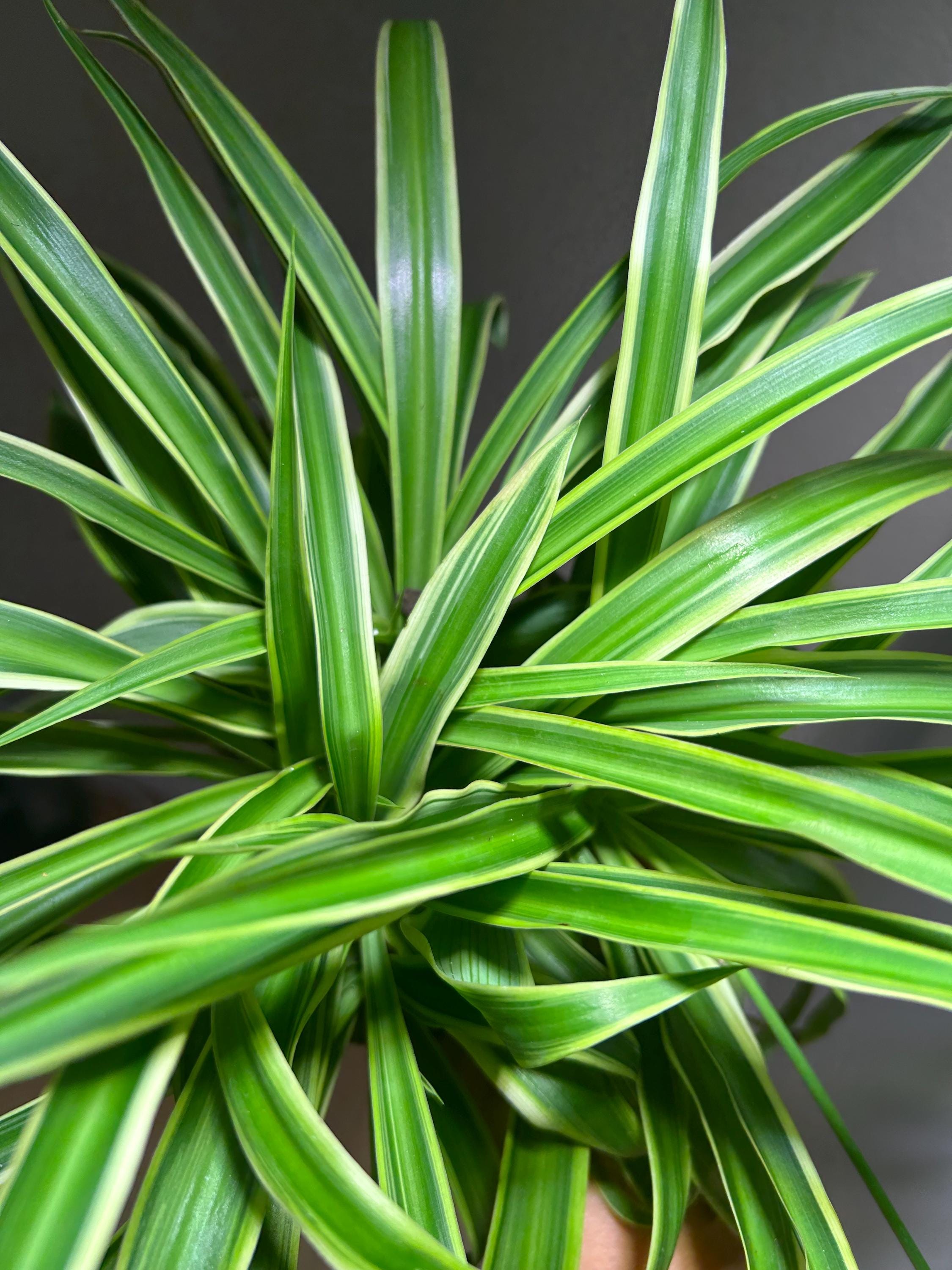
Photo 1 of 9 saved from our last listing
Help your plant settle into its new home 🌿
Our Plant Assistant combines our growing notes with your location and home conditions to prepare a question for Gemini, Duck.ai, or your preferred AI assistant.
Open our Plant Assistant →Reverse Variegated Spider Plant
Also known as: Reverse Spider Plant, Airplane Plant, Reverse Variegated Spider Plant
Description
You will receive the exact Reverse Variegated Spider Plant shown in the photos and video.
This beautiful Chlorophytum comosum ‘Variegatum’ is an exceptionally full, established plant growing in a 4-inch nursery pot. It features long arching green leaves edged in creamy white, creating the classic reverse-variegated look.
This is not a small starter or single rooted baby — the plant shown is the exact mature, full specimen you will receive.
PLANT DETAILS
* Chlorophytum comosum ‘Variegatum’ * Common name: Reverse Variegated Spider Plant * Exact plant shown * 4-inch nursery pot * Fully rooted and established * Very full growth * Green foliage with creamy white margins * Easy-care houseplant * Fast-growing variety * Excellent trailing or hanging-basket plant
Spider plants are appreciated for their easy-going growth habit and ability to produce trailing plantlets as they mature.
LIGHT:
Bright, indirect light. Avoid harsh, direct afternoon Florida sun, which will instantly scorch and brown the creamy margins of its leaves. • Grow Light Variables: Provide 250 to 500 foot-candles at the canopy level. Run the lights for a duration of 12 to 14 hours per day.
SOIL:
A loose, well-aerated potting mix.
TEMPERATURE:
Keep it between 60°F and 80°F. If you keep it outside on a patio, bring it indoors if Orlando encounters a winter cold snap dropping below 50°F. Outdoors, protect it from the baking heat of peak summer by keeping it in shaded areas.
HUMIDITY:
Appreciates a moderate humidity range of 40% to 60%. While Orlando's natural humidity is plenty high, blasting your indoor AC or heat dries the air out. If the tips begin browning, group it with other plants or use a pebble tray to lift humidity levels.
YOU WILL RECEIVE
One exact rooted Reverse Variegated Spider Plant in a 4-inch nursery pot, as shown in the listing photos and video.
Please review all photos carefully, as they are part of the description of the exact plant you are purchasing.
SHIPPING
Your plant will be carefully packed to help protect the foliage and root system during transit. Because this plant has long arching leaves, some temporary bending or repositioning of the foliage may occur during shipping. Leaves generally settle back into their natural shape after unpacking.
As with all live plants, minor cosmetic changes can occur between photography and shipping as the plant continues to grow.
Help your plant settle into its new home 🌿
Our Plant Assistant combines our growing notes with your location and home conditions to prepare a question for Gemini, Duck.ai, or your preferred AI assistant.
Open our Plant Assistant →About Our Growing Notes
Our growing notes describe what we did in our own environment. Your light, temperature, humidity, potting mix and growing location may differ. Use your plant’s actual conditions when considering watering or acclimation. Suggestions from outside assistants are separate from our recorded experience.
Basic tools you may find useful include:
- Hygrometer and thermometer: monitor humidity and temperature near the plant, including changes around windows.
- Soil-checking probe: a clean wooden skewer, blunt knitting needle or similar tool can help you check the potting mix gently. Avoid forcing it through roots. A wooden skewer can also show damp mix or moisture on the wood; a metal needle does not absorb moisture. Combine these observations with the pot’s weight, drainage and the plant’s needs rather than treating a probe as an automatic watering signal.
- Light meter that measures foot-candles: compare light at the plant’s position at different times of day.
- Gloves appropriate for the plant and task: useful when handling potting materials or plants with spines or irritating sap.
This is a starter list, not an exhaustive list or a requirement to buy every tool. Equipment helps you observe conditions; it does not replace plant-specific guidance.
UF/IFAS: measuring light · Iowa State Extension: growing conditions and watering