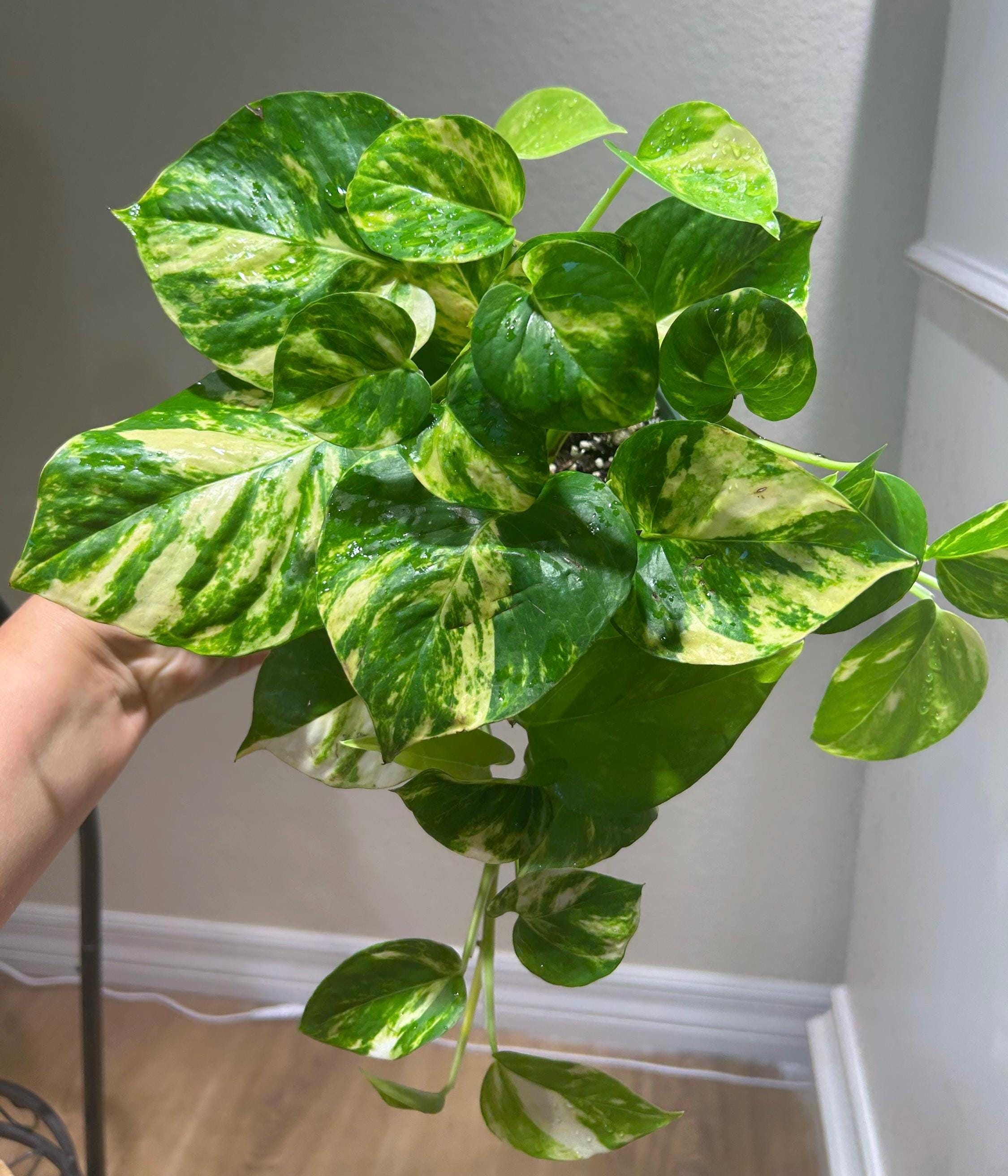
Photo 1 of 5 from the current Etsy listing
Help your plant settle into its new home 🌿
Our Plant Assistant combines our growing notes with your location and home conditions to prepare a question for Gemini, Duck.ai, or your preferred AI assistant.
Open our Plant Assistant →Churchill Gold Pothos
Also known as: Churchill Gold Pothos, Churchill Golden Pothos
Description
Churchill Gold Pothos is loved for its vibrant yellow variegation against rich green, heart-shaped leaves. Each leaf displays its own mix of colors, creating a bright, varied display as the vines grow. Its versatile habit makes it equally attractive trailing from a hanging basket or climbing a support.
HOW WE DID IT
LIGHT:
Grown in bright, indirect light in our Orlando, Florida greenhouse. Protected from intense direct sunlight and excessive afternoon heat to help prevent leaf scorch. The amount and pattern of yellow variegation varied naturally from leaf to leaf.
WATER:
We allowed the upper portion of the growing medium to dry before watering thoroughly and letting excess water drain completely. Watering frequency was adjusted for the weather, pot size, and how quickly the medium dried. We avoided keeping the roots consistently wet or leaving the entire pot completely dry for extended periods.
SOIL:
We used a loose, airy, well-draining potting mix with added perlite and bark to provide airflow around the roots while retaining some moisture. The nursery pot had drainage holes to prevent standing water.
TEMPERATURE/HUMIDITY:
Kept warm and protected from cold drafts and temperatures below 60°F. Grown in our greenhouse’s naturally humid conditions, with airflow and ventilation to help prevent stagnant moisture and excessive heat.
SHIPPING:
Your selected plant will be carefully secured and shipped in its nursery pot with growing medium. Plants typically ship on Mondays to reduce the risk of weekend delays.
UNPACKING SUGGESTION:
Please unpack your plant promptly upon arrival. Minor soil movement, temporary leaf repositioning, or small cosmetic marks may occur during transit. Carefully release the leaves and vines from the packaging without pulling on them.
Place your plant in bright, indirect light, away from heating and air-conditioning vents. Avoid direct sunlight while it acclimates to your home. Check the growing medium before watering, and allow your plant time to settle before repotting.
Your plant can trail from a shelf or hanging planter, or climb a trellis or moss pole. Future leaves will have their own variegation patterns, and the balance of yellow and green may change as the plant grows.
If you have any questions, please visit our plant care assistant, which can copy all of our growing notes to your clipboard and take you to another assistant where you can paste them into the text box.
Help your plant settle into its new home 🌿
Our Plant Assistant combines our growing notes with your location and home conditions to prepare a question for Gemini, Duck.ai, or your preferred AI assistant.
Open our Plant Assistant →About Our Growing Notes
Our growing notes describe what we did in our own environment. Your light, temperature, humidity, potting mix and growing location may differ. Use your plant’s actual conditions when considering watering or acclimation. Suggestions from outside assistants are separate from our recorded experience.
Basic tools you may find useful include:
- Hygrometer and thermometer: monitor humidity and temperature near the plant, including changes around windows.
- Soil-checking probe: a clean wooden skewer, blunt knitting needle or similar tool can help you check the potting mix gently. Avoid forcing it through roots. A wooden skewer can also show damp mix or moisture on the wood; a metal needle does not absorb moisture. Combine these observations with the pot’s weight, drainage and the plant’s needs rather than treating a probe as an automatic watering signal.
- Light meter that measures foot-candles: compare light at the plant’s position at different times of day.
- Gloves appropriate for the plant and task: useful when handling potting materials or plants with spines or irritating sap.
This is a starter list, not an exhaustive list or a requirement to buy every tool. Equipment helps you observe conditions; it does not replace plant-specific guidance.
UF/IFAS: measuring light · Iowa State Extension: growing conditions and watering